Why Programmers Get Addicted to Side Projects
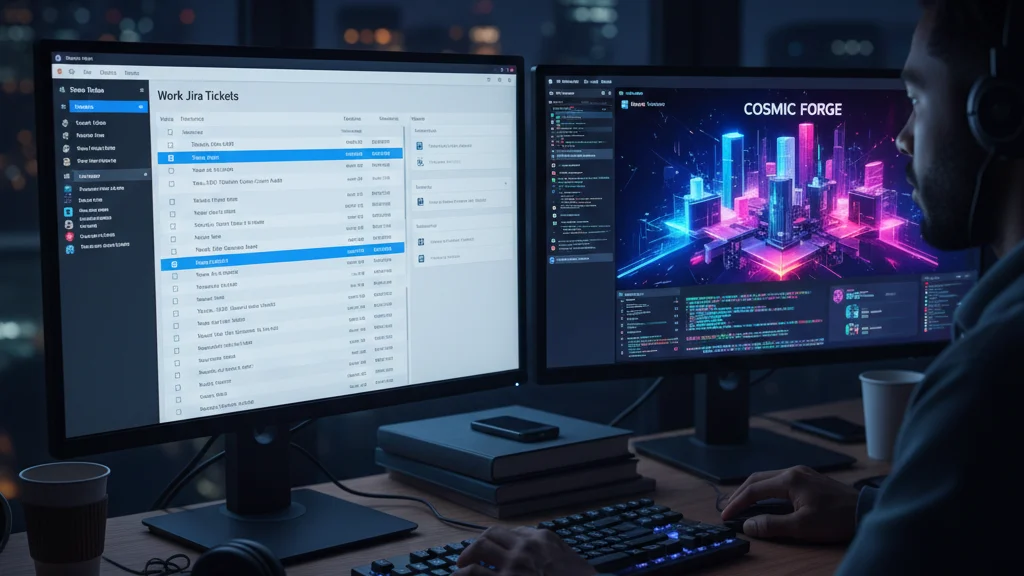
You just finished an eight-hour shift of writing code. Your eyes are dry, your back is stiff, and you’ve reached your limit of corporate synergy. So, what do you do? You close your work laptop, open your personal one, and spend four more hours coding… for fun.
To the outside world, this looks like madness. To a developer, it’s a vital psychological escape. In our Post on the Psychology of Programming, we touched on the Dopamine Rollercoaster. Side projects are where that rollercoaster runs without the brakes of deadlines, stakeholders, or legacy tech debt.
Here is the scientific and psychological breakdown of why we can’t stop starting new-project-v3-final.
1. The Autonomy High (Self-Determination Theory)
Psychologists suggest that human motivation relies on three things: Autonomy, Competence, and Relatedness.
At your day job, your autonomy is often limited. You use the stack the company chose, follow the style guide the architect wrote, and build the features the PM requested. A side project is a “Kingdom of One.” You are the CEO, the Architect, and the User. This total control is an intoxicating antidote to the stress of modern coding.
2. The Dopamine of the Blank Slate
There is a specific neurological rush in the first 10% of a project.
No bugs yet.
No technical debt.
Just pure, infinite potential.
Every time you run npm init or git init, your brain releases a hit of dopamine. This is why many devs have fifty started projects and only two Finished ones. We aren’t addicted to the result; we are addicted to the moment of creation. It’s the polar opposite of the mental grind of debugging logic in a messy, five-year-old codebase.
3. Learning Without the Fear of Failure
At work, a mistake can mean a broken production site or a tense performance review. This environment triggers performance anxiety.
In a side project, the cost of failure is zero. This psychological safety allows you to enter a Deep Flow State more easily. You can experiment with a weird new language like Go or Rust just to see how it feels. Ironically, this low-stakes play is often where your most significant skill jumps happen, helping you quiet the voice of developer impostor syndrome when you return to your day job.
4. The God Complex vs. The Cog Complex
At a large company, you might spend a month moving a button three pixels to the left. In a side project, you can build an entire AI-powered weather app in a weekend.
Side projects provide Immediate Feedback. This sense of Mastery is a core human need. It’s the same reason developers often find focus after hours: it’s just you and the machine, and the machine is finally doing exactly what you tell it to do.
Is Your Side Project Addiction Healthy?
While side projects are underrated goldmines for growth, they can lead to Productivity Guilt.
The Trap: Feeling like you must be coding 24/7 to remain a real developer.
The Fix: Treat side projects as a hobby, not a second job. If you’re not having fun,
rm -rfthe folder and walk awayThe Strategy: Use side projects to solve your own problems. It’s easier to finish a project when it actually makes your life better, rather than just being a portfolio piece to combat overthinking.
The TechGeeks Directive
Side projects are the gym for the developer’s soul. They keep your passion alive when the daily grind tries to snuff it out. Just remember to occasionally look at a tree or talk to a human, your brain needs a system restart too.
Do you find it hard to explain your side-project obsession to non-devs?
It might be because developers naturally prefer text over talking.
Frequently Asked Questions
Why do programmers start so many side projects but never finish them?
Programmers are often addicted to the Dopamine of the Blank Slate. The initial phase of a project, running git init and setting up architecture, provides a massive neurological rush because there is no technical debt or complex bugs yet. Once the project enters the grind phase, the dopamine hit tapers off, leading many to start a new project to chase that initial high.
How do side projects help with developer impostor syndrome?
Side projects provide a low-stakes environment where the cost of failure is zero. This psychological safety allows developers to master new languages and tools without the fear of a broken production site. Successfully building a Kingdom of One reinforces a sense of competence and mastery, which helps quiet developer impostor syndrome in their professional roles.
What is the Autonomy High in software development?
The Autonomy High is a psychological state achieved when a developer has total control over a project’s stack, style, and features. According to Self-Determination Theory, autonomy is a core human need. Side projects serve as an antidote to the professional grind, where creative choices are often limited by stakeholders or legacy constraints.
Is coding on side projects a sign of developer burnout?
While side projects can be a healthy psychological escape, they can lead to Productivity Guilt if a developer feels they must code 24/7 to remain relevant. If side projects feel like a second job rather than a hobby, it can accelerate burnout. The key is ensuring the project remains a source of fun and Mastery rather than a forced portfolio piece.
Why is it easier to achieve a Flow State in personal projects than at work?
At work, developers often deal with intermittent reinforcement and high social cognitive load. Personal projects offer immediate feedback and zero interruptions, allowing the brain to enter a deep Flow State much faster. This is especially true for those who prefer night owl coding sessions where social noise is at a minimum.
Why do developers prefer building things from scratch?
Building from scratch satisfies the “God Complex”, the desire for immediate results and full system understanding. It contrasts with the “Cog Complex” felt at large companies, where a developer’s impact might feel small or disconnected from the final product.