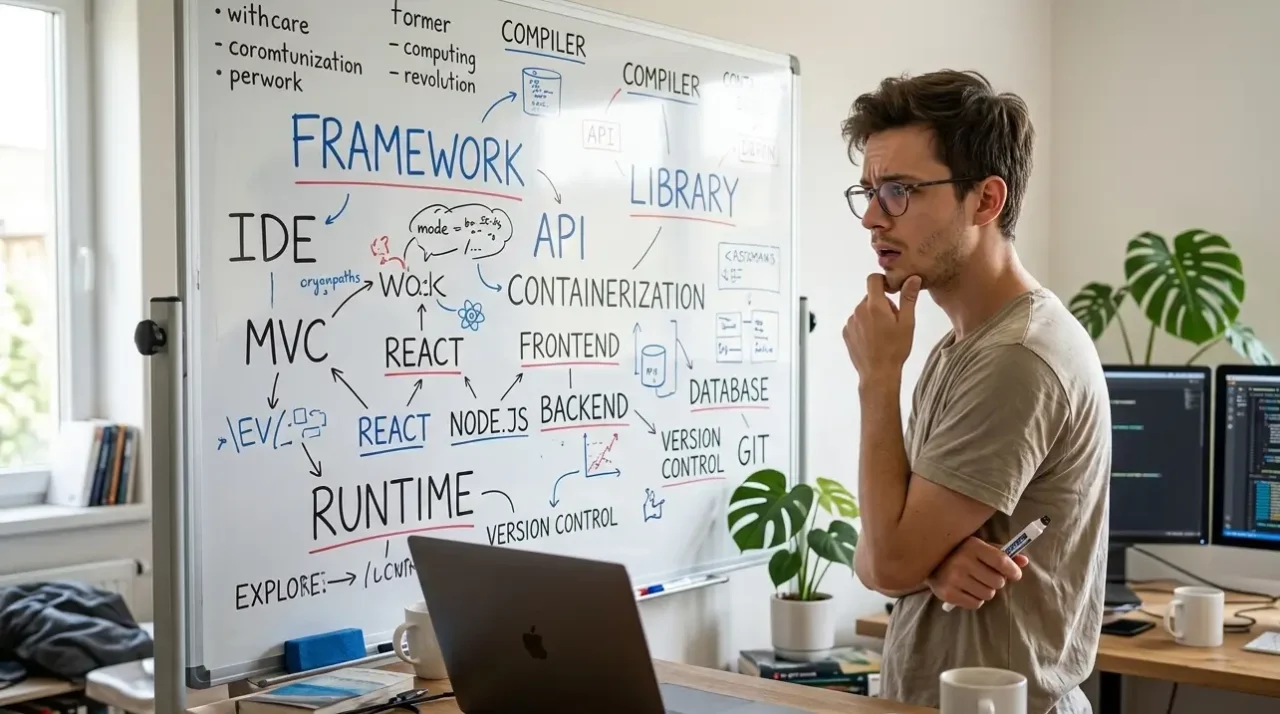
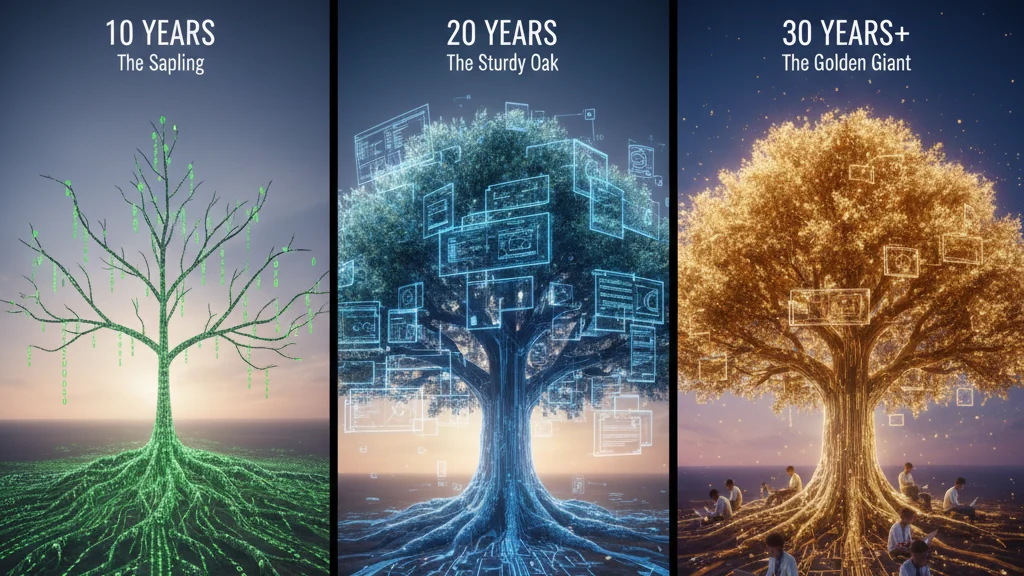
In 2026, engineering excellence is no longer measured by the length of your GitHub green streak, but by how effectively you manage your mental bandwidth. True Developer Burnout Prevention starts with shifting away from the 16-hour grind culture and embracing strategic brain breaks for coders, protecting your cognitive battery to ensure that when you are at the keys, you’re writing logic, not just logs.
Developer Burnout Prevention: Why Every Programmer Needs High-Quality Brain Breaks
If you code for eight hours, your brain has likely processed as much information as a high-court judge or an air traffic controller. In the tech world, we often mistake “sitting still” for “resting.” But scrolling on your phone isn’t rest—it’s just more data input.
To stay sharp for a 30-year career, you need to master the art of the Active Break. Here is how to recharge your “logical muscles” using science-backed activities.
1. The Open-Skill Movement Strategy
In 2026, research into cognitive decline showed a massive difference between Closed-Skill and Open-Skill exercises.
-
Closed-Skill (Predictable): Running, swimming, or weightlifting. Great for the heart, but your brain often stays “trapped” in work loops while you do them.
-
Open-Skill (Dynamic): Table tennis, badminton, or rock climbing. These require constant adaptation to a moving target.
-
Why it works for devs: It forces your brain’s “prefrontal cortex” to switch from linear logic to spatial awareness, effectively “flushing” the work-stress out of your system.
-
2. Hobbies That Build Parallel Skills
The best hobbies for programmers are those that mirror the satisfaction of coding without the screen time.
| The Hobby | The Shared Skill with Coding | The Benefit |
| Baking | Following strict algorithms/measurements. | Tactical, sensory feedback (and you can eat it). |
| Musical Instruments | Pattern recognition & rhythm. | Engages both hemispheres of the brain. |
| Woodworking | System architecture & assembly. | Teaches “Permanent Logic”—you can’t Ctrl+Z a piece of wood. |
| Analog Photography | Debugging (lighting, focus, aperture). | Forces you to slow down and “preview” the result in your mind. |
3. The Digital Mental Health Stack
Sometimes, you need more than a hobby; you need a system. The 2026 developer toolkit includes “Mindfulness Ops.”
-
Endel: An AI-powered soundscape app that generates personalized “Focus” or “Sleep” frequencies based on your heart rate and local weather.
-
Finch: A gamified self-care app where you take care of a digital pet by completing real-life “mental health quests” like breathing or journaling.
-
Opal: The ultimate “Deep Work” shield. It doesn’t just block apps; it creates a “Screen Time” barrier that is intentionally difficult to bypass during your rest hours.
4. Avoiding the Flow-State Hangover
When you spend four hours in deep flow, you experience a dopamine crash afterward. This is when most devs fall into the “Doomscrolling Trap.”
The 2026 Recovery Protocol:
-
The 20-20-20 Rule: Every 20 minutes, look at something 20 feet away for 20 seconds. This prevents “Computer Vision Syndrome.”
-
The “Think Out Loud” Walk: If you’re stuck on a bug, leave the chair. Walking increases blood flow to the brain by 20%. Many seniors find the solution while walking, not while typing.
-
No Screens 60 Minutes Before Bed: Blue light is the enemy of the “Deep Sleep” needed to clear the metabolic waste (adenosine) from a day of heavy thinking.
The “Longevity” Checklist
Ask yourself these three questions every Friday:
-
Did I spend at least 3 hours this week completely “unplugged” from the internet?
-
Did I move my body in a way that required “reactive” thinking (e.g., a sport)?
-
Did I learn something this week that has zero to do with technology?